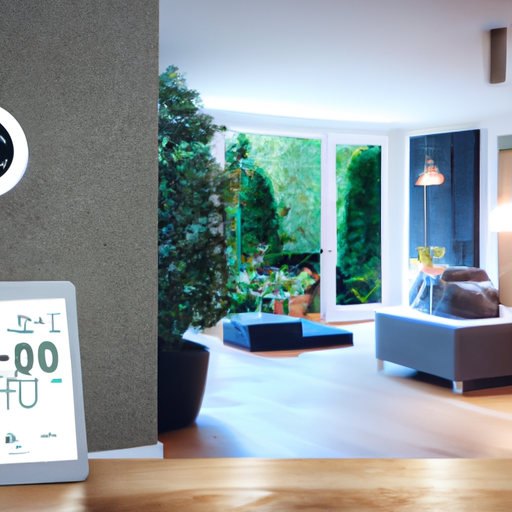
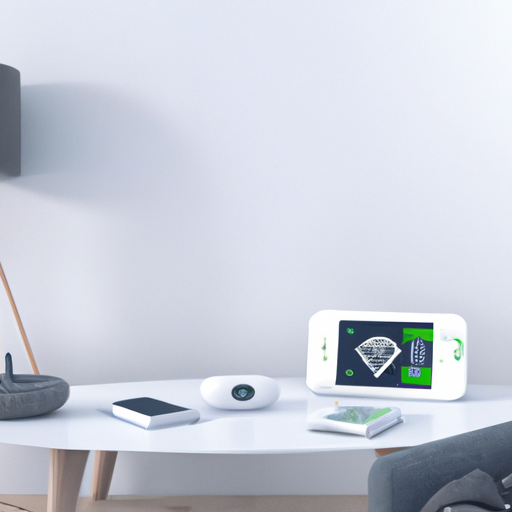
Explore the latest smart home technologies that deliver real cost savings through enhanced energy efficiency and automation. Learn which devices provide the fastest return on investment for budget-conscious homeowners. Discover how to create a smart home ecosystem that pays for itself.
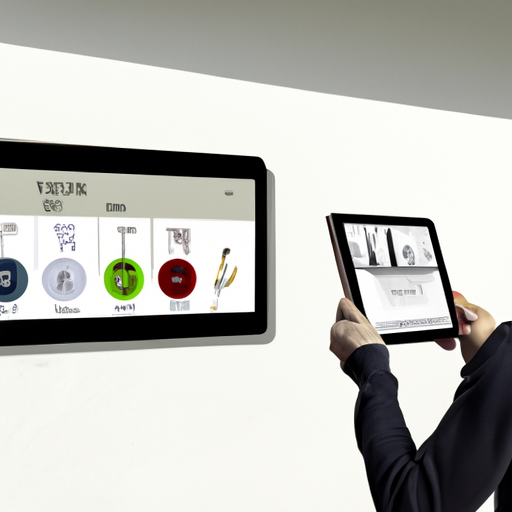
As smart home technology continues to evolve, many consumers are wondering which devices actually deliver meaningful cost savings rather than just adding convenience. This comprehensive analysis explores the smart home technologies that provide genuine financial benefits through reduced energy consumption, improved efficiency, and automated money-saving features.
Smart thermostats remain the cornerstone of cost-effective home automation. Advanced models from companies like Nest, Ecobee, and Honeywell don't just follow pre-set schedules – they learn from your behavior patterns and automatically optimize heating and cooling cycles. Studies show that proper use of smart thermostats can reduce heating and cooling costs by 10-12% on average, with some users reporting even higher savings.
Smart lighting systems have also proven their worth in energy savings. While the initial investment in smart LED bulbs and controllers may seem steep, the combination of efficient LED technology with automated scheduling and occupancy-based controls can reduce lighting costs by up to 50% compared to traditional lighting systems. The key is implementing proper automation rules and taking advantage of natural light optimization.
Water management is an often-overlooked area where smart technology can generate significant savings. Smart water meters and leak detection systems can identify hidden leaks and unusual usage patterns before they lead to costly water damage or excessive bills. Some systems can automatically shut off water flow when leaks are detected, preventing catastrophic damage.
Smart plugs and power strips provide detailed insights into energy consumption while allowing automated control of plug-in devices. By identifying energy vampires – devices that consume power even when not in use – and automatically cutting power during inactive periods, these devices can reduce standby power consumption by up to 10% of household electricity use.
Home energy monitoring systems offer a comprehensive view of power consumption patterns. These systems can identify specific appliances and activities that consume the most energy, allowing homeowners to make informed decisions about usage patterns and upgrades. Some systems even integrate with time-of-use utility rates to shift high-consumption activities to lower-cost periods.
Smart window coverings and automated blinds can significantly impact heating and cooling costs. By automatically adjusting based on sunlight and temperature conditions, these systems can reduce solar heat gain in summer and maximize natural heating in winter. While the initial investment is substantial, the energy savings can be particularly significant in homes with large windows or intense sun exposure.
Security systems have evolved beyond simple burglar alarms to include features that can reduce insurance costs. Many insurance companies offer discounts of 5-20% for homes with smart security systems that include professional monitoring, smoke detection, and water leak sensors. The key is choosing a system that meets insurance requirements while providing practical protection.
Smart appliances with energy management features can optimize their operation for maximum efficiency. For example, smart washers and dryers can automatically run during off-peak electricity rates, while smart dishwashers can adjust water usage based on load size and soil levels. The savings from these optimizations can help offset the premium cost of smart appliances.
Home energy storage systems, while requiring significant upfront investment, can generate long-term savings in areas with time-of-use electricity rates or frequent power outages. These systems can store energy during low-rate periods and supply it during peak rates, while also providing backup power without the need for generators.
Smart irrigation systems use weather data and soil moisture sensors to optimize watering schedules, reducing water waste while maintaining healthy landscapes. These systems can adjust watering based on rainfall predictions and seasonal changes, potentially reducing outdoor water usage by 30-50% compared to traditional timing systems.
When implementing smart home technology for savings, it's crucial to consider the following factors:
1. Installation costs and potential rebates from utility companies 2. Expected lifespan of devices versus savings potential 3. Integration capabilities with existing systems 4. Ongoing subscription fees for connected services 5. Learning curve and household adoption challenges
The real key to maximizing savings from smart home technology lies in creating an integrated ecosystem where devices work together efficiently. For example, combining smart thermostats with occupancy sensors and automated blinds can create a comprehensive climate control system that maximizes energy savings.
It's also important to regularly review and adjust smart home settings to ensure optimal performance. Many users set up their devices initially but fail to fine-tune them based on changing seasons or household patterns. Regular system audits and updates can help maintain and even increase savings over time.
As technology continues to advance, new smart home devices and features are constantly emerging. While not every smart home gadget will deliver meaningful savings, focusing on proven technologies with clear return on investment can create a truly cost-effective smart home ecosystem that pays for itself through reduced utility bills and improved efficiency.