
Retailers use sophisticated psychological tactics to influence shopping behavior and increase spending. Understanding these manipulation techniques is crucial for maintaining control over your purchasing decisions. Learn how to recognize and resist common retail psychology tricks while shopping smarter.

In the complex world of retail, understanding the psychological tactics used by merchants can be your greatest defense against overspending. Retailers invest heavily in researching and implementing various psychological triggers that encourage consumers to spend more. Let's explore these tactics and learn how to shop more consciously.
The Science Behind Store Layouts
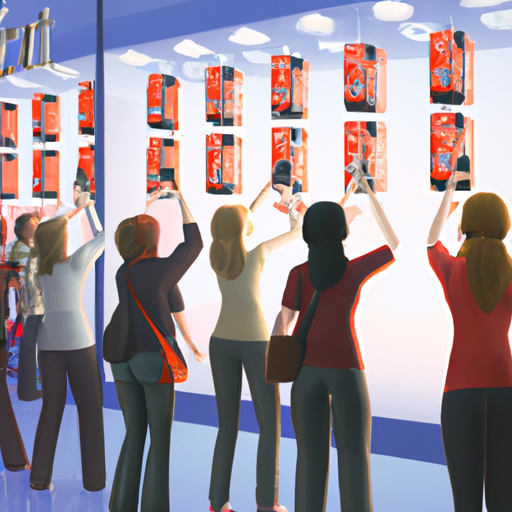
Retail stores are carefully designed to maximize purchases through strategic layout planning. The moment you step into a store, you're entering a carefully orchestrated environment where every detail has been considered to influence your shopping behavior.
Essential items are often placed at the back of the store, forcing customers to walk past numerous tempting displays. This journey through the store increases the likelihood of impulse purchases. The path to these necessities, known as the "forced path," is designed to expose shoppers to as many products as possible.
Color Psychology in Retail
Retailers use color psychology extensively to influence mood and purchasing decisions. Red often signifies urgency and is commonly used in clearance sales. Blue creates a sense of trust and security, while yellow captures attention and is frequently used for window displays.
Understanding these color associations helps you recognize when stores are attempting to create specific emotional responses. Being aware of these tactics allows you to make more rational purchasing decisions based on actual needs rather than emotional triggers.
Pricing Psychology Techniques
Pricing strategies are among the most sophisticated psychological tools used in retail. Common tactics include:
- Charm pricing (using .99 instead of rounding up) - Decoy pricing (introducing a higher-priced option to make the target item seem more reasonable) - Anchoring (showing the original price to emphasize the discount) - Bundle pricing (packaging items together to create perceived value)
Recognizing these strategies helps you evaluate prices more objectively and determine true value.
The Scarcity Illusion
Retailers often create artificial scarcity to drive urgent purchasing decisions. "Limited time offers," "While supplies last," and "Only X items remaining" are common phrases used to trigger fear of missing out (FOMO). Understanding that this scarcity is often manufactured helps resist impulsive buying decisions.
Sensory Marketing Tactics
Stores carefully control their sensory environment to influence shopping behavior. This includes:
- Music tempo (slower music encourages slower shopping and more purchases) - Scent marketing (specific aromas to trigger desired emotions) - Lighting (designed to highlight products and create mood) - Temperature (comfortable environments encourage longer shopping sessions)
Being conscious of these environmental manipulations helps maintain shopping focus.
The Power of Social Proof
Retailers leverage social proof through various methods:
- Customer reviews and ratings - "Popular item" labels - "Other customers also bought" suggestions - Social media influence
While social proof can provide valuable information, it's important to evaluate whether products truly meet your needs rather than following crowd behavior.
Sales and Discount Psychology
Sales events are carefully designed to create excitement and urgency. Understanding common sales tactics helps maintain perspective:
- Artificial price inflation before discounting - Limited-time offers that repeat regularly - Bundle deals that include unwanted items - Minimum purchase requirements for discounts
Cross-Merchandising and Impulse Purchases
Retailers strategically place complementary items together to encourage additional purchases. Being aware of cross-merchandising helps stick to planned purchases and avoid impulse buying.
Digital Shopping Psychology
Online retailers use additional psychological tactics:
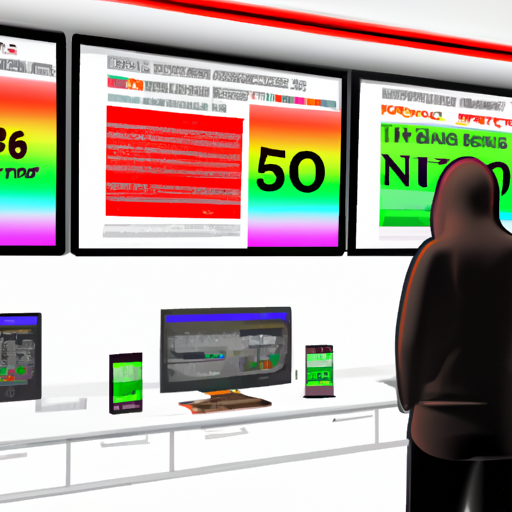
- Countdown timers - Shopping cart abandonment reminders - Personalized recommendations - One-click purchasing - Free shipping thresholds
These digital tools are designed to reduce purchase friction and encourage spending.
Developing Psychological Resistance
To resist retail manipulation tactics:
- Shop with a list and stick to it - Set a budget before shopping - Take time to consider purchases - Question the urgency of sales - Calculate price per unit rather than focusing on package deals
Mindful Shopping Practices
Develop habits that promote conscious shopping:
- Wait 24 hours before making non-essential purchases - Research products before shopping - Compare prices across multiple retailers - Consider the long-term value of purchases - Keep track of spending patterns
Emotional Shopping Awareness
Understand your emotional triggers for shopping:
- Stress shopping - Celebratory purchasing - Social pressure buying - Compensatory shopping
Recognizing these patterns helps develop healthier shopping habits.
Conclusion
By understanding the psychological tactics used in retail, you can become a more conscious consumer. This awareness doesn't mean you'll never make impulse purchases or enjoy shopping, but it provides tools to make more intentional decisions. Remember that knowledge of these tactics is power – use it to shop smarter and maintain control over your purchasing decisions. The key is finding balance between enjoying shopping while staying mindful of manipulation attempts and your true needs and wants.