Modern smart home technology offers real opportunities for significant cost savings on utilities and everyday expenses. The right combination of smart devices can pay for themselves within months through reduced energy consumption and automated efficiency. Discover which smart home investments deliver the best return on investment.
As smart home technology continues to evolve, many products promise to make life easier and save money. However, not all smart home investments deliver equal value. Let's explore the smart home technologies that offer genuine cost savings and calculate their real-world return on investment.
Smart Thermostats: The Foundation of Energy Savings
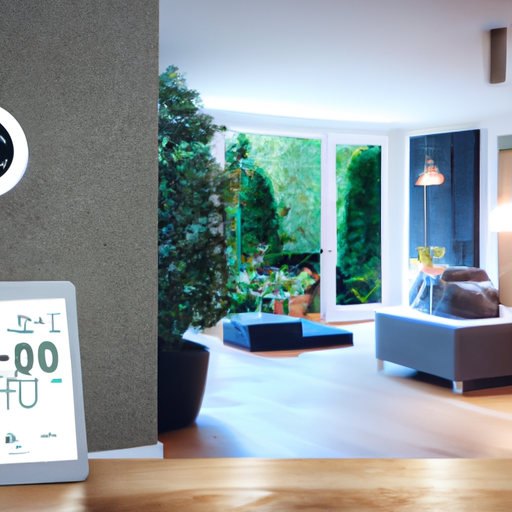
Smart thermostats remain one of the most effective ways to reduce home energy costs. These devices learn your schedule and preferences, automatically adjusting temperature settings for optimal efficiency. Leading models like the Nest Learning Thermostat and Ecobee can save 10-12% on heating costs and 15% on cooling costs annually.
Key features that drive savings include:
- Occupancy detection - Smart scheduling - Remote control capabilities - Energy usage reporting - Integration with other smart home devices
Smart Lighting Systems
While the initial investment in smart lighting can seem steep, the long-term savings are substantial. LED smart bulbs use up to 90% less energy than traditional incandescent bulbs and last significantly longer. Smart lighting systems save money through:
- Automated scheduling - Motion detection - Daylight sensing - Remote control access - Dimming capabilities
Calculating the return on investment for smart lighting involves considering both energy savings and bulb longevity.
Smart Plugs and Power Strips
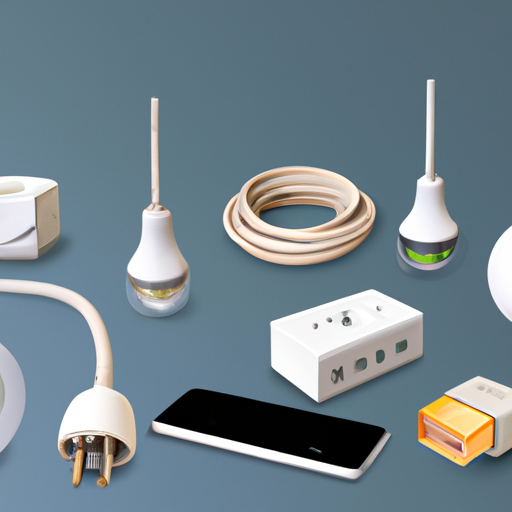
Smart plugs represent one of the most cost-effective ways to start saving money with home automation. These devices help eliminate vampire power draw from electronics and appliances when not in use. Features that generate savings include:
- Scheduled power cycling - Energy monitoring - Remote control - Usage pattern analysis - Automated shutoff
Smart Water Management
Water conservation technology has evolved significantly, offering substantial savings opportunities:
Smart Water Leak Detectors - Early leak detection - Automatic water shutoff - Usage monitoring - Pipe freeze prevention
Smart Irrigation Systems - Weather-based watering schedules - Soil moisture monitoring - Zone-specific controls - Rain delay features
Smart Energy Monitoring Systems
Whole-home energy monitoring systems provide detailed insights into energy consumption patterns. These systems help identify:
- Energy-hungry appliances - Inefficient equipment - Usage patterns requiring adjustment - Opportunities for additional savings
Smart Appliances
While smart appliances often carry premium prices, several models offer genuine savings potential:
Smart Washers and Dryers - Load sensing for water and energy optimization - Peak electricity usage avoidance - Maintenance alerts to prevent inefficiency
Smart Refrigerators - Energy usage optimization - Door open alerts - Temperature optimization - Maintenance reminders
Smart Security Systems
While primarily focused on security, smart security systems can generate indirect savings through:
- Reduced insurance premiums - Prevention of theft and damage - Remote monitoring capabilities - Integration with other smart home systems
Calculating Return on Investment
To determine the true value of smart home investments, consider:
Direct Savings - Reduced energy consumption - Lower water usage - Decreased maintenance costs - Extended equipment life
Indirect Savings - Insurance discounts - Time savings - Convenience value - Property value increase
Implementation Strategies
To maximize the return on smart home investments:
1. Start with high-impact devices - Smart thermostats - LED lighting - Smart plugs
2. Create a phased implementation plan - Prioritize based on potential savings - Consider integration capabilities - Plan for future expansions
3. Monitor and optimize - Track actual savings - Adjust settings for maximum efficiency - Update system components as needed
Avoid Common Pitfalls
When investing in smart home technology, watch out for:
- Over-investing in features you won't use - Choosing closed systems with limited integration options - Ignoring ongoing subscription costs - Neglecting security considerations
Future-Proofing Your Investment
Ensure long-term value by:
- Choosing systems with open standards - Considering scalability - Evaluating manufacturer stability - Planning for technology evolution
Maintenance and Optimization
Maximize savings through proper maintenance:
- Regular software updates - System performance reviews - Sensor calibration - Usage pattern adjustments
Conclusion
Smart home technology can deliver significant cost savings when chosen and implemented strategically. Focus on solutions that offer measurable returns through reduced energy consumption, improved efficiency, and automated optimization. Start with the basics and expand your smart home system based on demonstrated value and actual savings. Remember that the key to maximizing return on investment is not just installing smart devices, but actively using their features to optimize home operations and reduce unnecessary consumption. With careful planning and implementation, smart home technology can pay for itself while making your home more comfortable and efficient.