
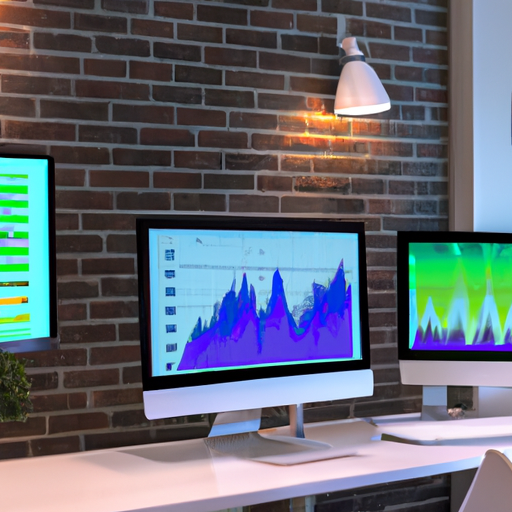
Explore the most powerful price tracking tools that can save you hundreds on your purchases. Learn advanced techniques for monitoring price fluctuations across multiple retailers. Discover how to set up automated alerts and analyze pricing patterns for maximum savings.

In today's dynamic online shopping landscape, prices can fluctuate dramatically from one day to the next. Understanding how to effectively use price tracking tools can be the difference between paying full price and scoring significant savings on your purchases. This comprehensive guide will help you master the art of price tracking and make informed buying decisions.
Price tracking tools have evolved significantly in recent years, offering features that go far beyond simple price comparisons. Modern tracking platforms can analyze historical price data, predict future price drops, and even account for factors like seasonal variations and retailer-specific sales patterns.
The first step in effective price tracking is choosing the right tools for your needs. Popular options include CamelCamelCamel for Amazon-specific tracking, Honey for automatic coupon application and price history, and PriceGrabber for comprehensive cross-retailer comparison. Each platform has its strengths, and many experienced shoppers use a combination of tools.
Setting up price alerts is crucial for successful price tracking. Most tools allow you to specify your target price and receive notifications when items drop below that threshold. However, the key to effective alert setup is understanding reasonable price points. Research historical price data to set realistic targets that are likely to be met.
Understanding price history patterns can significantly improve your tracking strategy. Many products follow predictable price cycles based on factors like seasonality, new model releases, and retail calendar events. By analyzing these patterns, you can better predict when prices are likely to drop and plan your purchases accordingly.
Cross-retailer tracking is another essential aspect of comprehensive price monitoring. While some retailers may appear to offer the best price, hidden costs like shipping, taxes, and membership fees can affect the total cost. Advanced tracking tools can help account for these variables when comparing prices across different platforms.
Browser extensions have become invaluable tools for price tracking. These plugins can automatically check for better prices while you shop, show price history charts, and even apply available coupons. Popular extensions like Capital One Shopping and Rakuten can also earn cashback on purchases, adding another layer of savings.
Mobile apps have added a new dimension to price tracking, allowing you to check prices while shopping in physical stores. Many apps include barcode scanning features that instantly compare prices across online and local retailers. This real-time comparison capability can be particularly valuable for large purchases.
When using price tracking tools, it's important to consider product variations and model numbers. Retailers sometimes use slightly different product descriptions or model numbers for identical items, which can confuse tracking systems. Learning to identify these variations ensures you're comparing true equivalent products.
Warehouse clubs and membership programs add another layer of complexity to price tracking. While these programs often offer lower prices, the membership fees must be factored into the overall cost analysis. Good price tracking strategies include evaluating whether membership savings justify the annual fees.
Timing is crucial in price tracking. Major shopping events like Black Friday, Cyber Monday, and Prime Day can offer significant savings, but prices don't always hit their lowest points during these events. Historical data from tracking tools can help determine whether current deals are truly worth jumping on.
Advanced users can benefit from creating price tracking spreadsheets to supplement automated tools. These can help track personal price targets, document price patterns, and maintain records of successful purchases. This data can inform future buying decisions and help refine tracking strategies.
Privacy considerations should also factor into your price tracking strategy. Some tools collect user data for marketing purposes, so it's important to review privacy policies and adjust settings accordingly. Using multiple tools can help minimize data exposure while maintaining comprehensive price coverage.
Finally, success in price tracking requires patience and discipline. While it's tempting to purchase immediately when you see a price drop, understanding the full price history and potential future decreases can lead to even better savings. The key is balancing the urgency of your need with the likelihood of better future prices.
By mastering these price tracking techniques and tools, you can significantly reduce your shopping expenses while ensuring you get the best value for your money. Remember that effective price tracking is an ongoing process that requires regular attention and adjustment as markets and technologies evolve.