
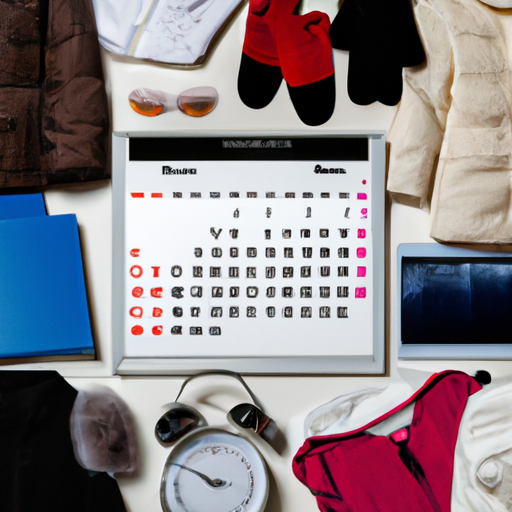
Master the art of timing your purchases throughout the year for maximum savings. Learn the optimal seasons for buying everything from electronics to clothing at their lowest prices. Discover insider tips on predicting sales cycles and planning your shopping calendar effectively.
Understanding the cyclical nature of retail pricing and knowing exactly when to buy specific items can lead to substantial savings throughout the year. This comprehensive guide breaks down the best times to purchase various categories of products and how to prepare for major sales events.
Understanding Seasonal Sales Cycles
Retail pricing follows predictable patterns tied to both consumer behavior and inventory management practices. Each product category has its optimal buying season, often counterintuitive to when the items are most in demand. Understanding these cycles allows shoppers to plan purchases months in advance for maximum savings.
Major retailers typically follow a clear markdown schedule, with specific times of year designated for different types of clearance events. This knowledge, combined with an understanding of how inventory systems work, enables strategic shopping throughout the year.
January/February Shopping Strategy
The post-holiday period offers excellent opportunities for specific categories. Winter clothing and accessories typically see their deepest discounts during these months, with savings of 50-80% common. Exercise equipment and fitness gear also hit their lowest prices as retailers capitalize on New Year's resolutions while clearing holiday overstock.
Bedding and home goods feature prominently in January "white sales," a tradition dating back to the 1800s. Electronics that didn't sell during the holiday season often see significant price reductions, making this an excellent time for technology purchases.
Spring Shopping (March-May)
Spring brings opportunities in several categories. March is ideal for purchasing winter sports equipment as retailers clear inventory. April typically offers the best deals on digital cameras as manufacturers release new models. May brings Memorial Day sales, traditionally an excellent time for purchasing major appliances and mattresses.
Home improvement materials and tools often see their first major discounts of the year during spring sales events. This timing aligns with the start of the home improvement season, though deeper discounts may come later in the year.
Summer Shopping Strategy (June-August)
Summer presents unique opportunities for specific categories. Indoor furniture typically hits its lowest prices in July and August as retailers make room for new inventory. Grills and outdoor furniture see significant discounts by August as stores prepare for fall merchandise.
Back-to-school sales begin in July and peak in August, offering excellent prices on office supplies, laptops, and casual clothing. These sales often represent the second-best time of year (after Black Friday) to purchase many electronics and computer accessories.
Fall Shopping (September-November)
Fall brings some of the year's best shopping opportunities. September offers excellent deals on major appliances as manufacturers release new models. October is ideal for outdoor furniture and equipment as stores conduct final clearance of summer items.
November, dominated by Black Friday and Cyber Monday, traditionally offers the year's lowest prices on electronics, toys, and gaming consoles. However, smart shoppers know to track prices before these events, as some "deals" may be less impressive than they appear.
Holiday Season Strategy (December)
December requires a nuanced approach to find the best deals. Early December often sees better prices on many items than the immediate pre-Christmas period. The best strategy is often to complete holiday shopping during Black Friday sales and focus on December's specific opportunities.
Tools and hardware often see excellent discounts mid-December as retailers compete for holiday gift shoppers. Gift cards frequently offer bonus values during December, making them strategic purchases for future shopping.
Planning Your Shopping Calendar
Successful seasonal shopping requires advance planning. Creating a calendar of needed purchases and aligning them with optimal buying times helps maximize savings throughout the year. This approach works best when combined with price tracking to ensure advertised "sales" represent genuine discounts.
Maintaining a shopping list with target prices and preferred purchase times helps avoid impulse buying during less-optimal periods. This systematic approach ensures you're ready to act when genuine deals appear.
Leveraging Off-Season Opportunities
Some of the best deals come from shopping off-season. Summer clothes are cheapest in winter, winter gear is cheapest in summer, and holiday items see their deepest discounts immediately after the relevant holiday. Planning these purchases in advance allows you to take advantage of these predictable patterns.
Storing off-season purchases requires consideration, but the savings often justify any minor inconvenience. This strategy works particularly well for non-perishable items and those with consistent sizing.
Conclusion
Mastering seasonal shopping patterns requires understanding retail cycles, planning purchases in advance, and being ready to act when optimal buying opportunities arise. Success comes from combining knowledge of general sales patterns with specific category timing and the flexibility to adjust plans based on unexpected opportunities. By following these strategies and maintaining a well-planned shopping calendar, consumers can maximize savings throughout the year while ensuring they get the best possible prices on needed items.