Explore how smart home devices can significantly reduce your monthly bills and energy consumption. Discover the most cost-effective smart home upgrades for immediate savings. Learn about the latest automation technologies that pay for themselves through reduced utility costs.
Smart home technology has evolved from a luxury convenience into a practical tool for reducing household expenses and improving energy efficiency. Understanding how to strategically implement these technologies can lead to substantial savings while also creating a more comfortable and convenient living environment.
The foundation of smart home savings often begins with intelligent thermostats. These devices go far beyond simple programming, learning household patterns and automatically adjusting temperatures to optimize both comfort and energy usage. Leading models can reduce heating and cooling costs by 10-12% on average, often paying for themselves within two years of installation.
Smart lighting systems represent another significant opportunity for savings. While the initial investment in smart bulbs or switches might seem high, the combination of LED efficiency and automated control can reduce lighting costs by up to 50%. Motion sensors, scheduling, and remote control capabilities ensure lights aren't left on unnecessarily, while dimming features extend bulb life and reduce energy consumption.
Intelligent power strips and smart plugs help combat phantom power draw from electronics and appliances. These devices can automatically cut power to devices when they're not in use, potentially saving hundreds of dollars annually in unnecessary electricity consumption. Some advanced models even track power usage, helping identify energy-hungry appliances.
Smart water management systems have become increasingly sophisticated and cost-effective. From intelligent irrigation controllers that adjust watering schedules based on weather conditions to smart water meters that detect leaks and unusual usage patterns, these systems can significantly reduce water waste and associated costs.
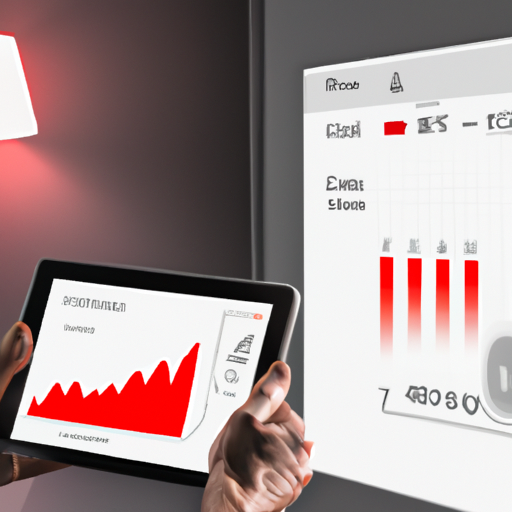
The integration of smart home devices with energy monitoring systems provides unprecedented visibility into household consumption patterns. Real-time energy use data, detailed reports, and predictive analytics help homeowners identify opportunities for additional savings and optimize their usage habits.
Smart window coverings and automated blinds contribute to both comfort and energy savings. By automatically adjusting based on time of day, season, and sun position, these systems can reduce heating and cooling costs while protecting furniture and flooring from sun damage. Some systems can even coordinate with smart thermostats for maximum efficiency.
Home security systems have evolved to include energy-saving features. Smart cameras and motion sensors can trigger automated responses like adjusting thermostats or turning off lights when no one is home. These integrations enhance both security and energy efficiency while simplifying household management.
Appliance automation has become more sophisticated with smart home technology. Connected washers, dryers, and dishwashers can be programmed to run during off-peak electricity hours, taking advantage of lower rates. Some can even respond to real-time electricity pricing signals from utility companies.
Voice control systems serve as central hubs for managing smart home devices, making it easier to monitor and adjust settings. The convenience of voice commands increases the likelihood that users will actively manage their energy usage, leading to better long-term savings.
Smart home technology also enables participation in utility demand response programs. These programs offer financial incentives for reducing energy use during peak demand periods, with smart devices automatically adjusting to meet program requirements while maintaining comfort levels.
The integration of renewable energy systems with smart home technology has created new opportunities for savings. Smart inverters and battery systems can optimize the use of solar power, storing excess energy for use during peak rate periods or power outages.
Predictive maintenance features in smart home systems can prevent costly repairs and reduce energy waste. From HVAC systems that alert owners to potential problems before they become serious to water heaters that adjust operation based on usage patterns, these features extend equipment life while maintaining efficiency.
The data collected by smart home systems can be invaluable for long-term cost reduction. Usage patterns, efficiency metrics, and maintenance records help homeowners make informed decisions about future upgrades and replacements, ensuring investments deliver maximum returns.
While the initial cost of smart home technology can be significant, strategic implementation focusing on the most impactful devices first can help manage the investment while delivering immediate savings. Starting with high-impact areas like temperature control and lighting often provides the quickest return on investment.
As smart home technology continues to evolve, new opportunities for savings emerge regularly. Staying informed about new developments and maintaining system updates ensures continued optimization and access to the latest energy-saving features. The key to maximizing returns is choosing solutions that align with household patterns and priorities while maintaining a balance between automation and user control.