

Discover how to effectively use modern price comparison tools and apps to maximize your savings. Learn insider tricks for tracking price histories and setting up automated alerts. Find out which comparison platforms work best for different types of purchases.
In today's digital age, price comparison has evolved far beyond simply checking a few different stores. Modern shoppers have access to sophisticated tools and technologies that can track prices across hundreds of retailers, predict price drops, and automatically alert users to the best deals. Understanding how to effectively use these tools can lead to significant savings on both everyday purchases and major investments.
The foundation of effective price comparison starts with understanding the different types of tools available. Browser extensions like Honey, Capital One Shopping, and PriceGrabber automatically check for better prices and apply coupon codes. Mobile apps such as ShopSavvy and BuyVia allow for barcode scanning and local price checking. Dedicated websites like PriceRunner and Google Shopping provide comprehensive price comparisons across multiple retailers.
One of the most powerful features of modern price comparison tools is price history tracking. This functionality allows shoppers to see how a product's price has fluctuated over time, helping determine whether current prices are truly good deals or just marketed as such. Tools like CamelCamelCamel for Amazon prices and Keepa provide detailed price history graphs and analytics.
Setting up price alerts is another crucial strategy for maximizing savings. Instead of constantly checking prices manually, shoppers can set target prices and receive notifications when items drop to their desired price point. This is particularly useful for big-ticket items or non-urgent purchases where timing flexibility can lead to better deals.
However, it's important to understand that not all price comparison tools are created equal. Some may have partnerships with specific retailers, potentially biasing their results. Others might not include shipping costs or tax in their comparisons, leading to incomplete price pictures. Learning to cross-reference multiple tools can help ensure you're getting the most accurate information.
Advanced price comparison strategies involve understanding seasonal pricing patterns and retailer pricing strategies. Many items follow predictable price cycles based on seasons, new model releases, or holiday sales. Using price history data to identify these patterns can help time purchases for maximum savings.
International price comparison has become increasingly relevant with global e-commerce. Some tools can help compare prices across different countries, taking into account shipping costs and import duties. This can be particularly valuable for luxury goods or electronics where price differences between markets can be substantial.
The role of dynamic pricing in online retail makes price comparison tools even more valuable. Retailers often adjust prices based on factors like demand, competition, time of day, or even individual user browsing history. Price comparison tools help cut through this complexity by providing real-time price updates and alerts.
When using price comparison tools, it's essential to consider factors beyond just the base price. Shipping costs, return policies, warranty coverage, and seller reputation all impact the true value of a purchase. The best price comparison tools include these factors in their analysis or make it easy to access this information.
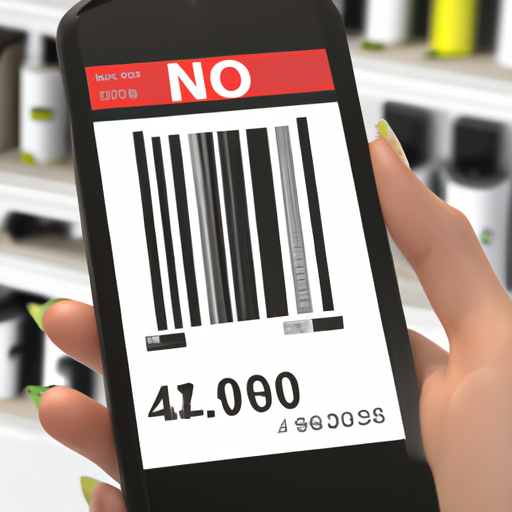
Mobile price comparison has become increasingly sophisticated, with apps that can scan barcodes in physical stores and immediately show online prices. This bridge between physical and digital shopping has transformed how people make purchasing decisions in brick-and-mortar stores.
Pricing alerts can be customized based on various factors beyond just price drops. Some tools allow users to set alerts for specific percentage discounts, combined promotions, or when prices drop below historical averages. This customization helps users focus on truly meaningful deals.
The integration of artificial intelligence in price comparison tools has led to more sophisticated price predictions and recommendations. Some tools can now predict future price movements based on historical data and market trends, helping users make more informed decisions about when to buy.
Privacy considerations should also factor into your choice of price comparison tools. Some tools collect significant user data to function effectively, while others prioritize privacy. Understanding what data is being collected and how it's being used can help users make informed choices about which tools to trust.
Ultimately, the most effective price comparison strategy combines multiple tools and approaches. Using a combination of browser extensions, mobile apps, and dedicated websites provides the most comprehensive coverage and ensures you're not missing out on better deals.
By mastering these price comparison tools and techniques, shoppers can save significant money while ensuring they're getting the best possible value for their purchases. The key is to use these tools strategically and consistently, making them a natural part of your shopping routine rather than an occasional afterthought.